Ottawa has moved its National Heat Pump Rebate from a broad funding promise to a program design that HVAC suppliers, installers and building owners can start planning around, even though the federal record still does not show a live portal, signed delivery agreements or any completed payments. Between October 8 and November 5, 2026, federal pages set out the rebate amounts, the planned application route, the lack of audit requirements and the government’s stated approval speed. ECCC backgrounder ISED release ECCC campaign page
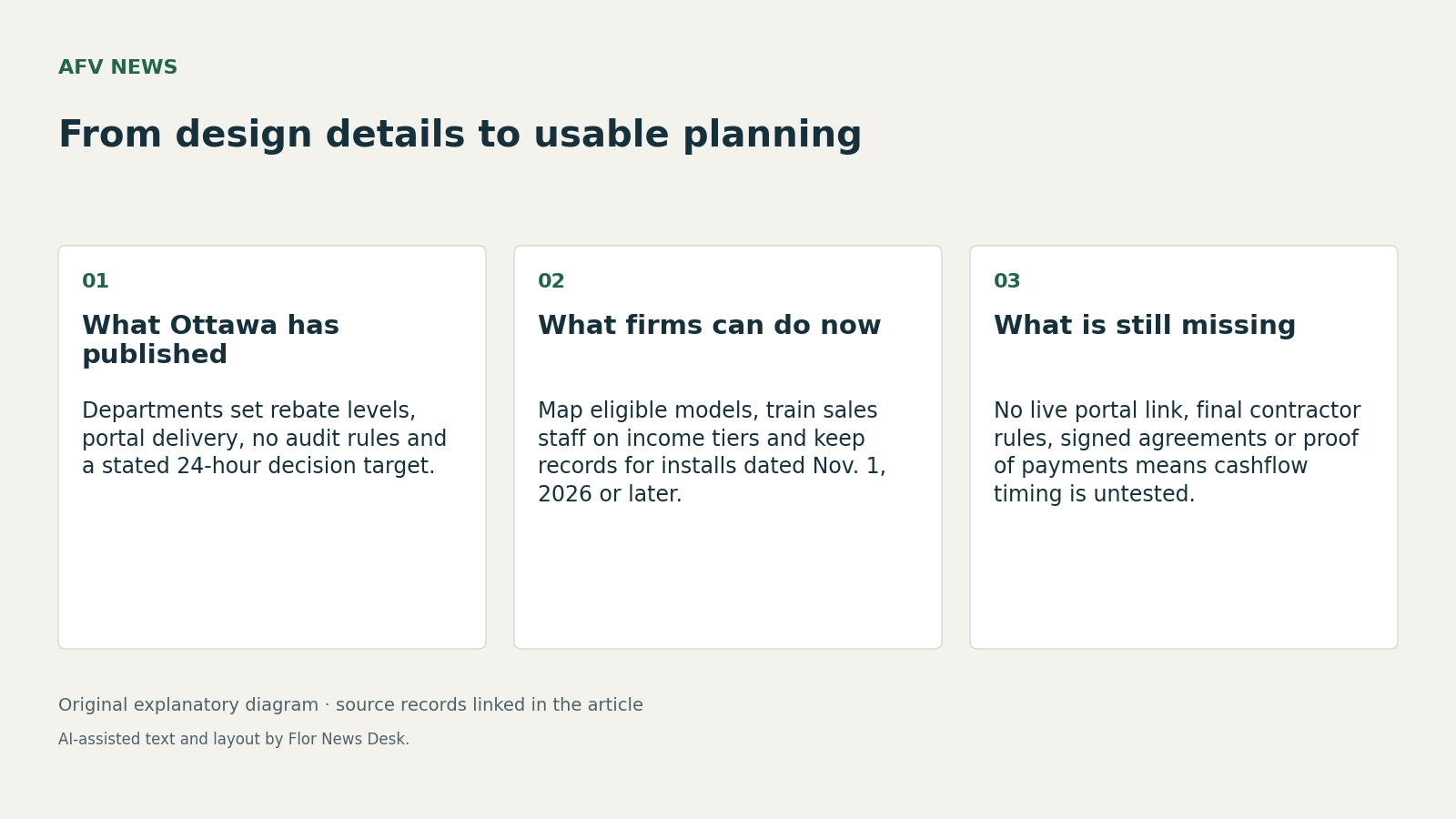
The main verified shift is practical. Environment and Climate Change Canada and Innovation, Science and Economic Development Canada say the homeowner rebate will be accessed through an online portal, will not require pre- or post-installation energy audits, and is meant to return eligibility decisions within 24 hours. The same federal material says eligible households below the median income could receive up to $10,000, while other eligible homeowners could receive $2,000. ECCC backgrounder ISED release ECCC Oct. 9 release
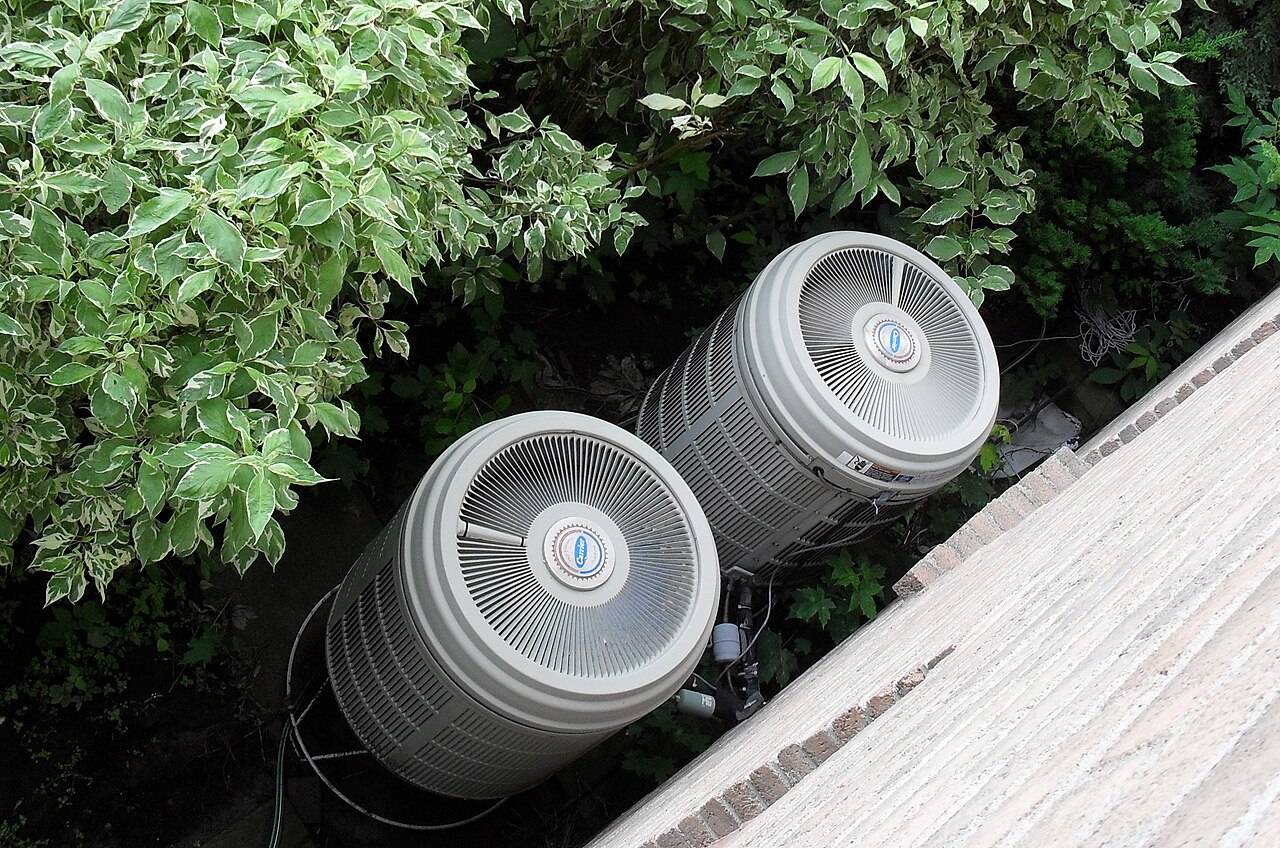
For contractors, that changes the work worth doing now. If Ottawa delivers the model it has described, the front end of a sale would rely less on scheduling energy audits and more on matching installed models to the federal Eligible Products List, documenting the job and guiding customers through income-based eligibility. The October 8 backgrounder says the list contains more than 100,000 options and that applications and receipts would be handled through the portal. That makes product mapping and paperwork discipline more important than waiting for a broader policy debate to settle. ECCC backgrounder
The November 5 campaign page adds a second planning point: Ottawa says the program is expected to launch in early 2027, but installs completed on or after November 1, 2026 may qualify for retroactive treatment once the program opens. That creates a narrow opportunity and a clear limit at the same time. Installers can prepare for customers who want to replace failed systems before the portal opens, yet neither contractors nor households can treat the retrofit date as a guarantee of payment because the same page says no money will flow until the program launches and an application is received and approved. ECCC campaign page
Apartment-building owners should read the package as two separate tracks, not one. The homeowner rebate is one measure. Separately, the federal releases say Canada Mortgage and Housing Corporation and the Canada Infrastructure Bank are expected to support at least 280,000 rental or other multi-unit residential units over eight years, including through a CMHC mortgage insurance product and the CIB’s Building Retrofits Initiative. That matters because a condo owner replacing a furnace and a rental-building owner planning a financed deep retrofit are not waiting on the same operating steps. ISED release ECCC Oct. 9 release ECCC backgrounder
What the record still cannot establish is just as important for bids and staffing. As of November 7, 2026, the federal pages do not provide the application URL, final contractor-registration or verification rules, signed contribution agreements, a procurement timetable, or proof of first approvals or disbursements. The November 5 page still describes an early-2027 launch in future tense and says parameters remain subject to change. For businesses, that means the rebate is now concrete enough for inventory, training and customer-screening plans, but not yet firm enough to book rebate-driven cashflow as if operations had already started. ECCC campaign page ECCC backgrounder
Read our editorial standards or send a correction to the editorial desk.