
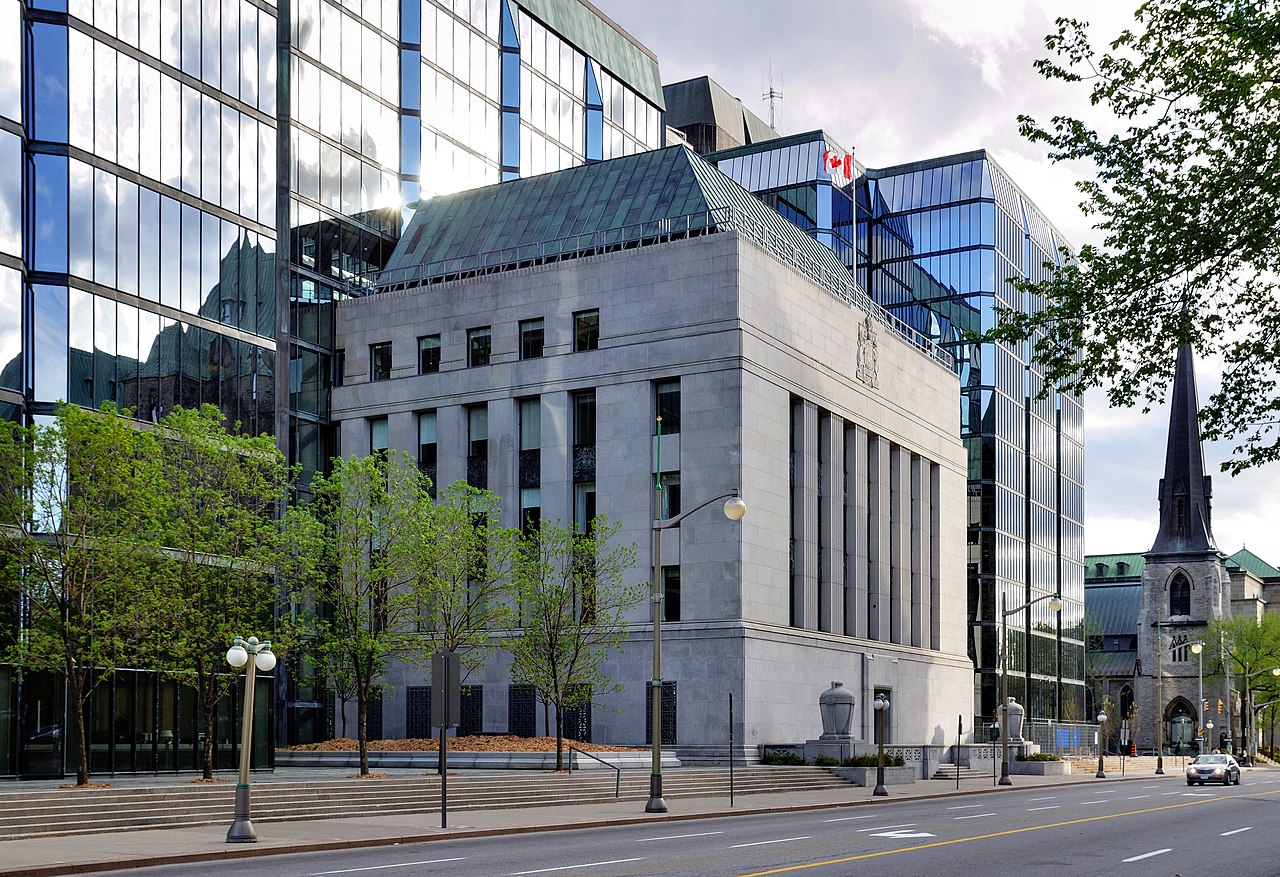
Canada's consumer prices were 3.0% higher in August 2026 than a year earlier, Statistics Canada reported on September 14. The annual rate matched July, but the monthly figures moved in different directions: down 0.1% before seasonal adjustment and up 0.2% after it. Each figure answers a different comparison question. None measures the change in a particular company's operating bill. Statistics Canada's August release
For a business owner, the useful next step is to put the national number beside a consistent set of invoices. A restaurant, a delivery firm and a software company buy different things. A shared inflation headline cannot tell all three what happened to their costs.
Start with the price, then the percentage
Consider a hypothetical annual expense of C$10,000. A 6% increase takes it to C$10,600. If it rises another 2% the following year, the new expense is C$10,812. The pace of increase has slowed, but the business still pays C$812 more than at the start.
Those are illustrative amounts, not figures from a surveyed company. They show why a smaller percentage increase does not undo an earlier one. The Bank of Canada makes the same distinction between the level of prices and the speed at which that level changes. Falling inflation can coexist with prices that continue to rise. The Bank's explanation
The comparison period matters just as much. A bill can fall between July and August while remaining above the previous August's bill. Reporting only one of those changes can give a reader an incomplete picture.
Keep quantity out of the price comparison
An invoice total mixes together several decisions. The supplier may charge more per unit, the buyer may order more units, or the order may contain a different mix of products.
Take another worked example. A pack of ten items costs C$120. A replacement pack costs C$126 but contains nine. The pack price has increased 5%; the price per item has risen from C$12 to C$14, an increase of about 16.7%. Comparing only the two invoice totals misses most of that unit-price change.
Statistics Canada explains that CPI measurement compares equivalent quantities and quality, with adjustments when needed. Its basket reflects household expenditure patterns. The weight of an item in a company's purchasing ledger can be very different. Statistics Canada's CPI methodology FAQ
That makes a company's own comparison a separate piece of analysis. It should be labelled that way, rather than presented as an alternative national inflation estimate.
Make the comparison inspectable
A useful internal note can be short: identify the expense, record the unit and quantity, name the two dates and show the calculation. Keep changes in the amount purchased separate from changes in the unit price. Where the product or service has changed substantially, explain that limitation instead of forcing a neat percentage.
This approach also improves a business's public explanation of its costs. A documented change in a specific input supports a narrower, more testable statement than attributing every increase to inflation. The national CPI supplies context. The invoice comparison supplies the evidence for what happened inside that business.
Read our editorial standards or send a correction to the editorial desk.